Sustainable Nutrition: Tips for Lasting Healthy Habits
- Giselle Molina
- Jun 22
- 4 min read

In a world where convenience often trumps health, making sustainable nutrition choices can feel overwhelming. However, adopting a sustainable approach to nutrition not only benefits your health but also supports the environment. This guide will provide you with practical tips to cultivate lasting healthy habits that align with sustainable nutrition principles.
Understanding Sustainable Nutrition
Sustainable nutrition refers to dietary choices that promote health while minimizing environmental impact. This concept encompasses various aspects, including:
Food sourcing: Choosing local, seasonal, and organic foods.
Waste reduction: Minimizing food waste through smart shopping and meal planning.
Balanced diets: Incorporating a variety of foods to ensure nutritional adequacy.
By understanding these principles, you can make informed choices that benefit both your body and the planet.
The Importance of Local and Seasonal Foods
One of the cornerstones of sustainable nutrition is the emphasis on local and seasonal foods. Here’s why this matters:
Benefits of Local Foods
Freshness: Local produce is often harvested at its peak, ensuring better flavor and nutritional value.
Support for local economies: Purchasing from local farmers helps sustain community livelihoods.
Reduced carbon footprint: Local foods require less transportation, which decreases greenhouse gas emissions.
Seasonal Eating
Eating seasonally means consuming foods that are naturally ripe and abundant at certain times of the year. This practice not only enhances flavor but also encourages variety in your diet. For example:
Spring: Enjoy asparagus, peas, and strawberries.
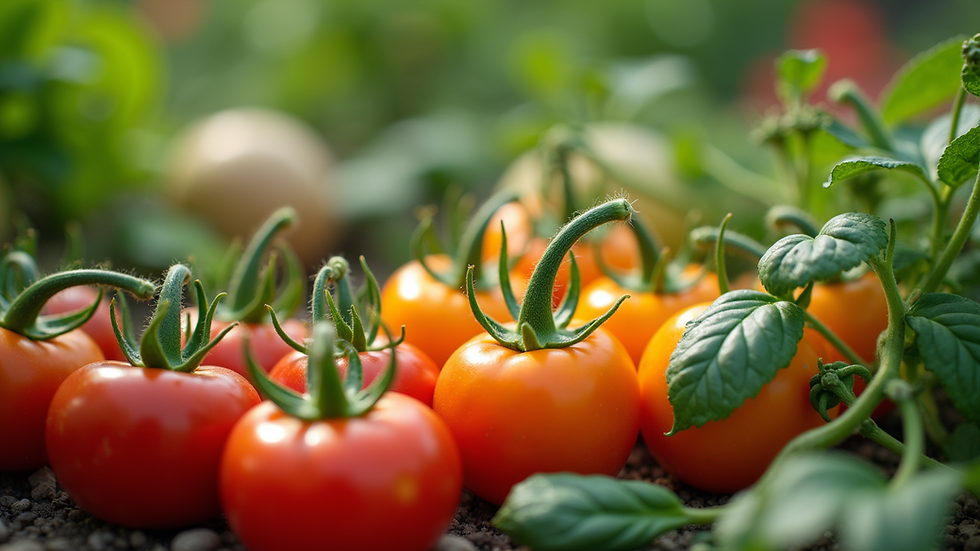
Summer: Savor tomatoes, zucchini, and berries.
Fall: Indulge in pumpkins, apples, and root vegetables.
Winter: Opt for hearty greens, citrus fruits, and squash.
By aligning your diet with the seasons, you can enjoy fresher, tastier meals while supporting sustainable agriculture.
Plant-Based Eating: A Sustainable Choice
Incorporating more plant-based foods into your diet is one of the most effective ways to practice sustainable nutrition. Here’s how you can do it:
Benefits of Plant-Based Diets
Lower environmental impact: Plant-based diets generally require fewer resources and produce less pollution compared to meat-heavy diets.
Health advantages: Research shows that plant-based diets can reduce the risk of chronic diseases, including heart disease and diabetes.
Practical Tips for Plant-Based Eating
Start small: Begin by designating a few days each week as meatless. Gradually increase the number of plant-based meals you consume.
Explore new recipes: Experiment with legumes, grains, and vegetables to create satisfying meals. Dishes like lentil soup or quinoa salads can be both nutritious and delicious.
Focus on whole foods: Choose whole grains, nuts, seeds, and fresh produce over processed plant-based alternatives.
Reducing Food Waste
Food waste is a significant issue that contributes to environmental degradation. Here are some strategies to minimize waste in your kitchen:
Smart Shopping
Make a list: Plan your meals for the week and create a shopping list to avoid impulse purchases.
Buy in bulk: Purchase items in bulk to reduce packaging waste and save money.
Meal Planning and Storage
Use leftovers creatively: Transform leftover ingredients into new meals. For instance, use roasted vegetables in a frittata or blend them into a soup.
Proper storage: Store food correctly to extend its shelf life. For example, keep herbs fresh by placing them in water like a bouquet.
Mindful Eating Practices
Mindful eating is an essential component of sustainable nutrition. It encourages you to pay attention to your food choices and eating habits. Here are some tips to practice mindful eating:
Slow Down
Savor each bite: Take time to enjoy your meals, which can lead to greater satisfaction and reduced overeating.
Eliminate distractions: Turn off screens and focus on your food to enhance your eating experience.
Listen to Your Body
Hunger cues: Pay attention to your body’s hunger and fullness signals. Eat when you’re hungry and stop when you’re satisfied.
Emotional eating: Recognize emotional triggers that lead to eating and find alternative coping mechanisms.
Building a Sustainable Pantry
Creating a sustainable pantry involves stocking up on items that support both your health and the environment. Here’s how to build a sustainable pantry:
Essential Staples
Whole grains: Brown rice, quinoa, and oats are nutritious and versatile.
Legumes: Beans, lentils, and chickpeas are excellent sources of protein and fiber.
Nuts and seeds: Almonds, walnuts, chia seeds, and flaxseeds provide healthy fats and nutrients.
Eco-Friendly Packaging
Choose bulk: Whenever possible, buy items in bulk to reduce packaging waste.
Glass containers: Store pantry items in glass jars to minimize plastic use and keep food fresh.
Engaging with Your Community
Sustainable nutrition is not just an individual effort; it can also be a community endeavor. Here are ways to engage with your community:
Community Gardens
Participating in or starting a community garden can foster connections and promote sustainable practices. It allows you to grow your own food, share knowledge, and build relationships with neighbors.
Local Food Events
Attend farmers' markets, food festivals, or cooking classes in your area. These events provide opportunities to learn about local food systems and meet like-minded individuals.
Conclusion
Adopting sustainable nutrition practices is a journey that requires commitment and awareness. By focusing on local and seasonal foods, incorporating more plant-based meals, reducing food waste, and engaging with your community, you can create lasting healthy habits. Remember, every small change contributes to a healthier you and a healthier planet. Start today by making one sustainable choice in your diet, and watch how it transforms your relationship with food.


Comments